Historical Crests Leicester City FC
Name: Leicester City FC
Nickname(s): The Foxes
Founded: 1884
Stadium: King Power Stadium (Leicester)
Capacity: 32,243
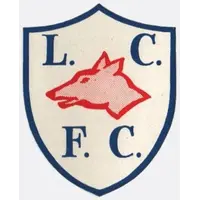
1946-1950
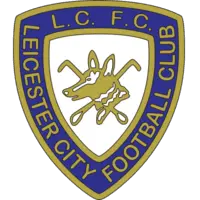
1950-1972
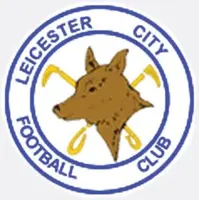
1972-1983

1983-1992
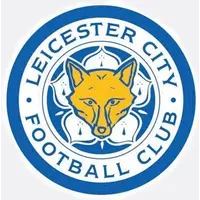
1992-2002
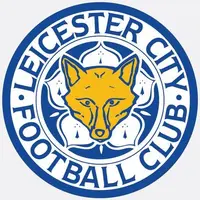
2002-2009
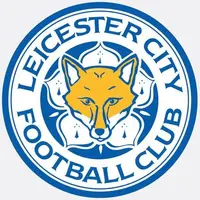
2010-Present
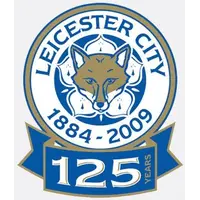
2009
Leicester City FC Crest History
Founded in 1884, Leicester City Football Club has used several different badges throughout its history, but no symbol has become more closely associated with the club than the fox. Reflecting the club’s famous nickname, “The Foxes,” the animal has been central to Leicester City’s identity for more than seventy years and remains the defining feature of the club’s modern crest.
The origins of Leicester’s most famous symbol lie in the county’s long association with foxes and fox hunting. Leicestershire became renowned throughout England as one of the country’s leading fox-hunting regions, and this local connection eventually gave rise to the club’s enduring nickname, “The Foxes.”
A significant development came in 1946 when an image of a fox was first incorporated into the club’s crest. The introduction of the fox established a visual identity that was unique within English football and directly reflected the traditions and heritage of Leicestershire. From this point onwards, the fox became inseparable from Leicester City’s image and supporter culture.
Throughout the following decades, Leicester experimented with a number of badge designs featuring different interpretations of the fox. Some versions displayed a full fox, while others focused on the animal’s head. Although artistic styles evolved over time, the fox remained the constant feature linking each design.
A major redesign arrived in 1992 when Leicester introduced the crest that forms the basis of the club’s modern identity. The new badge featured a fox’s head overlaid onto a cinquefoil flower, a symbol closely associated with the city and similar to the cinquefoil found on the coat of arms of Leicester. Surrounded by a circular blue border containing the club’s name, the design successfully combined local civic heritage with the club’s famous nickname.
The badge proved highly successful and has remained largely unchanged ever since. Minor refinements have modernised the artwork and typography, but the core elements of the fox and cinquefoil have been preserved, ensuring continuity with the club’s traditions.
During the 2009–10 season, Leicester celebrated its 125th anniversary with a special commemorative crest. The club’s home shirt featured no commercial sponsor and displayed a modified central badge with the words “125 Years” beneath it. The anniversary design paid tribute to the club’s long history while retaining the fox and cinquefoil that had become synonymous with Leicester City.
The crest gained worldwide recognition during the club’s remarkable Premier League title-winning season of 2015–16. As Leicester achieved one of the greatest underdog stories in sporting history, the fox badge became an internationally recognised symbol associated with resilience, determination and achievement against the odds.
Leicester City FC Club History
Leicester City Football Club was founded in 1884 as Leicester Fosse FC, playing its early matches on a field near Fosse Road in the city of Leicester. The club steadily developed during its formative years and was elected to the Football League in 1894, becoming part of England’s growing professional football structure. In 1919, following the city's attainment of city status, the club adopted the name Leicester City Football Club, the name it retains today.
During the first half of the twentieth century, Leicester established itself as a competitive club within English football, regularly moving between the First and Second Divisions. Throughout its history, Leicester has experienced twenty-two relegations to the second tier, yet remarkably has spent all but one season in either the top or second division of English football, demonstrating its long-standing status as a major club.
Leicester enjoyed increasing success during the post-war era and became known for its entertaining teams of the 1960s. The club won its first major trophy in 1964 when it lifted the League Cup, before adding further League Cup triumphs in 1997 and 2000. Leicester also reached several FA Cup Finals during the twentieth century, although success in that competition proved elusive for many years.
For much of its history, Leicester played at Filbert Street, a stadium that served as the club’s home for more than a century. In 2002, the club moved to the nearby Walkers Stadium, a modern venue built to support future growth. The stadium was renamed the King Power Stadium in 2011 and has since become the setting for the greatest achievements in the club’s history.
The most remarkable chapter in Leicester City’s story came during the 2015–16 season. Having narrowly avoided relegation the previous year, the club defied odds of 5000–1 to win the Premier League title under manager Claudio Ranieri. Led by players including Jamie Vardy, Riyad Mahrez and N'Golo Kanté, Leicester produced one of the greatest underdog stories in sporting history. The achievement made Leicester one of only six clubs to have won the Premier League since its formation in 1992 and remains the club’s greatest success.
The title triumph elevated Leicester onto the European stage, and the club followed it by reaching the quarter-finals of the UEFA Champions League in 2016–17. Further success arrived in 2021 when Leicester won the FA Cup for the first time in its history, defeating Chelsea at Wembley Stadium and completing one of the few major honours missing from the club’s trophy cabinet.
Leicester’s principal rivals are Nottingham Forest, with many supporters viewing Forest as the club’s biggest rival. Derby County are generally considered secondary rivals, and matches between any two of Leicester, Forest and Derby are known as East Midlands derbies. Leicester also shares a fierce rivalry with Coventry City, located just 24 miles away. Fixtures between the two clubs are known as the M69 Derby, named after the motorway that connects the two cities.
Leicester City FC Pin
Your Dynamic Snippet will be displayed here... This message is displayed because you did not provide enough options to retrieve its content.