Historical Crests Bristol City FC
Name: Bristol City FC
Nickname(s): The Robins
Founded: 1894
Stadium: Ashton Gate (Bristol)
Capacity: 27,000
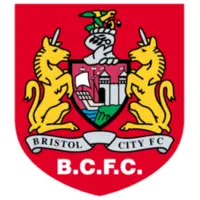
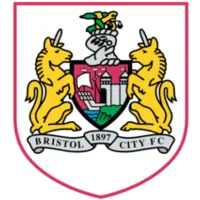
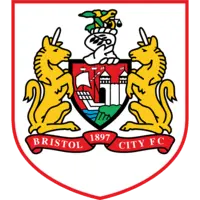
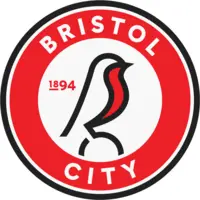
Bristol City FC Crest History
Founded in 1894, Bristol City Football Club has used a variety of badges throughout its history, but no symbol has become more closely associated with the club than the robin. Reflecting the club’s famous nickname, “The Robins,” the bird has evolved from a simple representation of the team’s identity into the central feature of Bristol City’s modern crest and remains the defining element of the club’s visual image today.
During the club’s early decades, Bristol City did not consistently wear a formal crest on its playing shirts. Like many English clubs of the period, the team often played without an embroidered badge or occasionally displayed civic symbols associated with the city of Bristol. These early representations emphasised the club’s connection to the local community rather than establishing a distinct footballing identity.
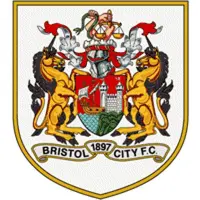
As football club branding became more common during the mid-twentieth century, Bristol City began incorporating official badges into its identity. Several designs featured elements drawn from the city’s heraldry, including castles, ships and shield-based motifs that reflected Bristol’s rich maritime history and civic heritage.
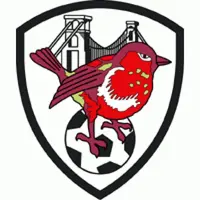
The robin first emerged as a prominent symbol through the club’s nickname, which had become firmly established among supporters. By the 1970s, Bristol City introduced one of its most memorable badges, featuring a robin perched on a football. The design proved extremely popular and became closely associated with the club’s rise to the First Division during the decade. For many supporters, the robin-on-the-ball emblem remains one of the most iconic badges in the club’s history.
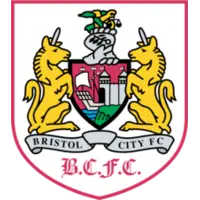
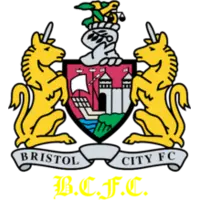
During the 1980s and 1990s, the club experimented with several redesigned crests that combined the robin with more traditional heraldic elements. Various shield-based badges incorporated references to the city of Bristol while maintaining the robin as a central feature. These designs sought to balance civic identity with the club’s established footballing traditions.
In 2019, Bristol City unveiled its current crest as part of a broader effort to modernise the club’s visual branding. The design returned to a simplified robin motif, using clean lines and a bold circular format. The club name and foundation year surround the central bird, creating a modern badge that pays tribute to earlier robin-themed designs while remaining effective across digital and commercial platforms.
The current crest has been widely praised for reconnecting the club with one of the most recognisable symbols in its history. By placing the robin firmly at the centre of the design, Bristol City created a strong visual identity that reflects both its heritage and its ambitions. The badge serves as a symbol of the club’s deep roots within Bristol and its enduring connection to generations of supporters who proudly identify as the Robins.
Bristol City FC Club History
Bristol City Football Club was founded in 1894 as Bristol South End before adopting its current name in 1897 upon turning professional. In 1900, the club merged with local rivals Bedminster and joined the Football League the following year, becoming one of the leading clubs in the South West of England.
The club enjoyed its first golden era during the early twentieth century. Bristol City won the Second Division title in 1905–06 and were runners-up in the First Division the following season, achieving the highest league finish in the club’s history. In 1909, City reached the FA Cup Final for the first time, narrowly losing to Manchester United.
After spending much of the following decades moving between the second and third tiers, Bristol City established Ashton Gate as its permanent home in 1904. The stadium has remained the club’s home for more than a century and is one of the most historic grounds in English football.
A second period of success arrived under manager Alan Dicks during the 1970s. City won promotion to the First Division in 1976, ending a 65-year absence from the top flight. The club also won the Anglo-Scottish Cup in 1978 and enjoyed several memorable seasons among England’s elite clubs.
The early 1980s brought severe financial difficulties. Following successive relegations, the club came close to collapse before a group of players known as the “Ashton Gate Eight” agreed to terminate their contracts to help save Bristol City from bankruptcy. Their actions remain one of the most important moments in the club’s history.
Over the following decades, Bristol City experienced a mixture of promotions and relegations while establishing itself as a competitive Football League club. A notable achievement came in 2014–15 when the Robins won the League One title and the Football League Trophy, securing a return to the Championship.
A major milestone came with the redevelopment of Ashton Gate between 2014 and 2016, transforming the stadium into a modern venue while preserving its historic connection to the club and the city.
Bristol City’s principal rivalry is with Bristol Rovers in the Bristol Derby, one of the oldest and most fiercely contested local rivalries in English football. Strong rivalries also exist with Cardiff City and Swansea City, reflecting the club’s long history of competition with Welsh sides and regional neighbours.
Bristol City
Your Dynamic Snippet will be displayed here... This message is displayed because you did not provide enough options to retrieve its content.