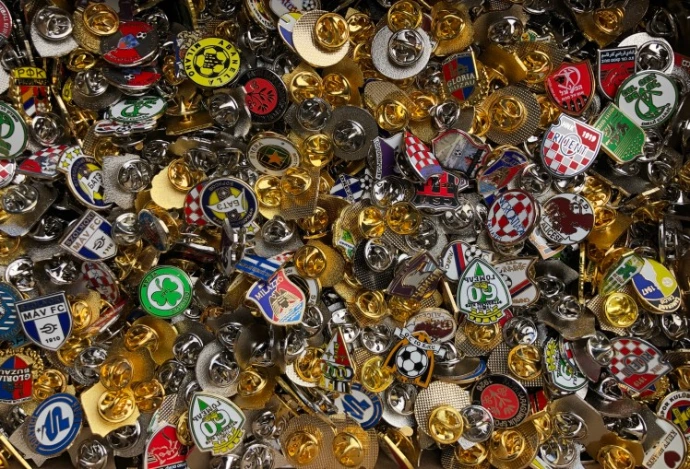
Why Football Badges Matter More Than You Think
In football, identity isn’t only shaped by trophies or results, it’s often captured in a small symbol worn over the heart. A club’s badge represents far more than design; it embodies history, pride, and belonging.
For players, wearing the badge is a reminder of who they represent. For supporters, it becomes a powerful symbol of loyalty and connection. It reflects a club’s roots, its colors, its community, and the place it calls home. All of these elements come together in a single visual mark that defines the club’s character.
The origins of many football badges can be traced back to local heritage. Early clubs frequently adopted elements from city or regional crests to emphasize their ties to the community. Others drew inspiration from their surroundings, industries that shaped the town, famous landmarks, or unique local symbols. These influences helped create badges that told a story, making each one distinct.
Over time, these emblems have evolved. What once appeared as a simple stitched detail on a shirt has transformed into a global brand, recognized far beyond the stadium. Despite this growth, the emotional significance remains unchanged. Fans still feel a deep attachment to the badge, seeing it as a representation of their identity and shared history.
Whether it’s celebrated after a goal or worn proudly by supporters, the badge continues to symbolize something deeply personal. It is not just part of the kit, it is the heart of the club.