Historical Crests Willem II Tilburg
Name: Willem II Tilburg
Nickname(s): The Tricolours
Founded: 1896
Stadium: Koning Willem II Stadion (Tilburg)
Capacity: 14,700
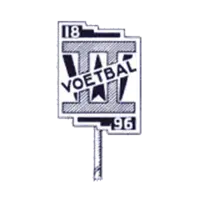
1928-1952
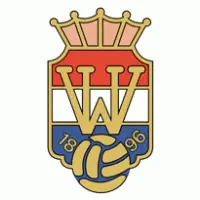
1952-1983
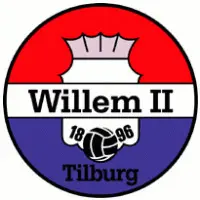
1983-2007
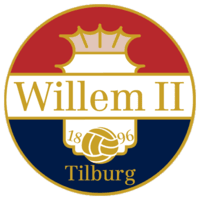
2007-2022
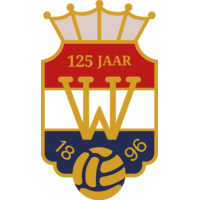
2022-Present
Willem II Crest History
The earliest Willem II badges were relatively simple and featured the club name and traditional football imagery. As the club developed, more formal shield designs emerged, incorporating the club's famous red, white and blue colours, which were inspired by the Dutch national colours and reinforced the club's patriotic and royal associations.
A defining feature of Willem II's visual identity became the royal crown. The crown symbolised the club's connection to King William II and distinguished the badge from those of other Dutch clubs. Over time, it became the most recognisable element of the crest and remains central to the club's identity today.
As football branding modernised during the 1980s and 1990s, Willem II refined its crest while preserving its traditional elements. The shield became cleaner and more balanced, while the crown was given greater prominence. These updates helped create a more professional image while remaining faithful to the club's heritage.
In 2007, Willem II introduced a modernised version of its traditional crest. The redesign retained the club's iconic royal crown, football and red-white-blue shield but adopted smoother lines and a more contemporary appearance. The badge was created to improve visibility and branding while preserving the historic identity that supporters had embraced for generations. This crest remained in use until 2022 and became closely associated with Willem II's modern era
The most recent redesign arrived in 2022, when Willem II returned to a crest inspired by the badge used between 1952 and 1983. Moving away from the modern roundel introduced in 2007, the club embraced a more traditional design featuring a royal crown, an intertwined "W" and "II" monogram, darker club colours and a classic football motif. The redesign was widely praised by supporters for reconnecting the club with its historic identity while maintaining a modern appearance. The current crest continues to symbolise Willem II's royal heritage and its deep connection to the city of Tilburg.
Willem II Club History
Founded on 12 August 1896, Willem II is one of the oldest football clubs in the Netherlands. The club was originally established under the name Tilburgia but was renamed just two years later in honour of King William II of the Netherlands, who had a strong connection to the city of Tilburg and spent much of his life there. The royal association has remained a defining part of the club's identity ever since.
The club has won the Dutch league championship three times. Willem II claimed national titles in 1916, 1952, and most notably in 1955, when they became champions during the first season of professional football in the Netherlands. This achievement secured the club a special place in Dutch football history.
In addition to its league successes, Willem II has also won the KNVB Cup twice, further cementing its reputation as one of the traditional clubs of Dutch football.
A memorable modern era arrived in the late 1990s. Under coach Co Adriaanse, Willem II enjoyed one of the most successful periods in its history and finished second in the Eredivisie in 1999, qualifying for the UEFA Champions League. This remains one of the club's greatest achievements in the modern era.
The club plays its home matches at the Koning Willem II Stadion, which has served as the home of football in Tilburg since 1995. The stadium symbolises the club's strong connection to the city and its loyal supporter base.
Located in the football-rich province of North Brabant, Willem II is involved in several regional rivalries. The most intense and historic rivalry is with NAC Breda. Matches between the two clubs are among the most passionate derbies in Dutch football and are often referred to as the Brabant Derby. The rivalry is fuelled by the close proximity of Tilburg and Breda and by the strong local pride associated with both cities.
Additional rivalries exist with clubs such as FC Den Bosch, RKC Waalwijk and Eindhoven FC, reflecting the large number of professional clubs located within Brabant. However, for Willem II supporters, NAC Breda remains the club's principal rival.
Willem II Pins
Your Dynamic Snippet will be displayed here... This message is displayed because you did not provide enough options to retrieve its content.