Skip to Content

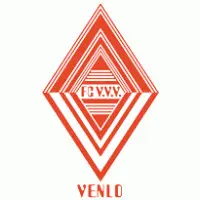
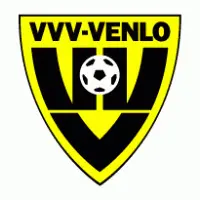
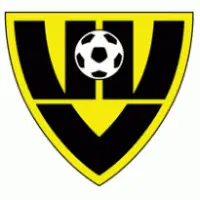
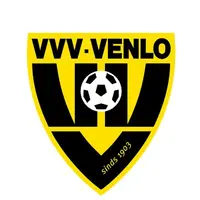
Historical Crests VVV Venlo

Name: ​VVV Venlo
Nickname(s): The Good Old
Founded: 1903
Stadium: Covebo Stadion De Koel (Venlo)
Capacity: 8,000

1970-1979
2003-2010
2010-2013
2013-Present

VVV-Venlo Crest History
As football branding became more sophisticated during the 1960s and 1970s, VVV adopted cleaner and more structured crest designs. The initials VVV became the dominant feature, usually displayed prominently within a shield incorporating the club's traditional colours.
A major change occurred in 2003, when the club officially adopted the name VVV-Venlo to emphasise its connection to the city. The crest was updated accordingly, incorporating the city name and strengthening the relationship between the football club and the wider Venlo community.
The modern crest combines the traditional yellow-and-black shield, the prominent VVV initials, the city name Venlo.
Over the years, only minor refinements have been made to the crest. These adjustments have focused on improving typography, proportions and digital presentation while preserving the key elements that supporters strongly identify with.
The current badge remains firmly rooted in the club's history and local heritage. The yellow-and-black colours reflect more than a century of football tradition, while the eagle symbol reinforces the close connection between VVV and the city of Venlo.
VVV-Venlo Club History
Founded on 7 February 1903, VVV-Venlo is one of the oldest football clubs in the Netherlands and the most prominent club from the city of Venlo. The club traces its origins to De Gouden Leeuw ("The Golden Lion"), an association founded by a group of friends in Venlo at the end of the nineteenth century. In 1903, it was decided to adopt the name Venlose Voetbal Vereniging (VVV), a name that has remained at the heart of the club's identity ever since.
Following the introduction of professional football in 1954, VVV successfully adapted to the new era and quickly became one of the most respected clubs in the southern Netherlands. The club regularly competed in the Eredivisie and developed a reputation for attractive football and strong youth development.
The greatest achievement in the club's history came in 1959, when VVV won the KNVB Cup. The triumph remains the club's only major national trophy and stands as one of the proudest moments in VVV's history. The cup victory secured the club's place among the most successful football institutions in Limburg.
One of the most successful modern periods arrived during the late 2000s and 2010s. Under various managers, VVV secured promotion to the Eredivisie and established itself as a competitive top-flight side. The club gained international attention through the arrival of notable players, including Japanese internationals who helped strengthen VVV's profile abroad.
VVV plays its home matches at De Koel, one of the most distinctive football stadiums in the Netherlands. Built on a hillside, the stadium is famous for its unique setting and passionate atmosphere. 
The club's main rivalries are with fellow Limburg clubs Roda JC Kerkrade, MVV Maastricht and Fortuna Sittard

VVV Pins

Your Dynamic Snippet will be displayed here... This message is displayed because you did not provide enough options to retrieve its content.