Historical Crests FC Twente
Name: FC Twente
Nickname(s): The Pride of the East
Founded: 1965
Stadium: De Grolsch Veste (Enschede)
Capacity: 30,205
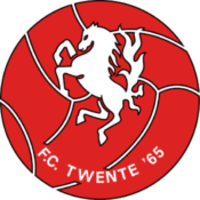
1965-1979
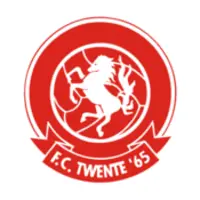
1979-1995
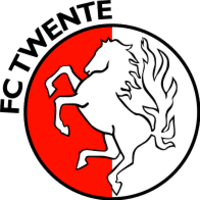
1995-2006
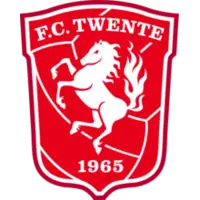
2006-Present
FC Twente Crest History
Throughout its history, FC Twente's crest has reflected the club's origins as a merger between two of Enschede's leading football clubs, Sportclub Enschede and Enschedese Boys. Since its foundation in 1965, the club's visual identity has been closely connected to the region of Twente, with the famous red horse becoming one of the most recognisable symbols in Dutch football.
The first FC Twente crest was introduced immediately after the merger in 1965. The badge featured a simple shield design incorporating the club's traditional red colours and the initials FC Twente. The crest symbolised the creation of a new football institution representing not only the city of Enschede but the entire Twente region.
During the 1970s, as FC Twente established itself as one of the strongest clubs in the Netherlands, the badge underwent several refinements. The club sought a stronger regional identity and began incorporating elements linked to the history and culture of Twente.
A major redesign arrived in 1979 with the introduction of the rearing red horse, inspired by the horse featured on the coat of arms of the Twente region. The horse quickly became the club's defining symbol, representing strength, determination and regional pride. The emblem was usually placed within a red shield featuring the club name and traditional colours.
In the 1995, the club modernised its crest while retaining the famous horse. The shield became cleaner and more streamlined, with improved typography and a more contemporary graphic style. The redesign maintained continuity with the club's traditions while adapting the logo for modern branding and commercial use.
A refined version of the badge was introduced in 2006, featuring a more elegant shield shape and a more prominent white horse against a red background. This version remains the foundation of the club's modern identity and is the crest most supporters associate with FC Twente's greatest successes.
The current badge continues to feature the iconic white rearing horse inside a red shield with the club name displayed above. The horse remains the dominant element of the design and serves as a symbol of both the club and the wider Twente region.
FC Twente Club History
Founded on 1 July 1965, FC Twente was created through the merger of two clubs from Enschede: Sportclub Enschede and Enschedese Boys. The merger was intended to create a stronger football institution capable of competing with the traditional powers of Dutch football. Representing the entire Twente region in the eastern Netherlands, the new club quickly became a symbol of regional pride and ambition.
The club's first major success came in the 1970s, a period often regarded as FC Twente's first golden era. Under coach Kees Rijvers, Twente emerged as one of the strongest teams in the Netherlands and regularly challenged Ajax, Feyenoord and PSV.
The highlight of this period arrived in 1975, when FC Twente reached the UEFA Cup Final. After defeating several major European clubs, Twente faced Borussia Mönchengladbach in the final. Although the Dutch side finished as runners-up, the achievement remains one of the greatest European campaigns in the club's history.
A year later, in 1977, FC Twente won its first major trophy by lifting the KNVB Cup. The triumph rewarded years of progress and established the club as a serious force in Dutch football.
Throughout the 1980s and 1990s, FC Twente remained a regular Eredivisie participant. Although league titles proved elusive, the club consistently competed near the top of the table and frequently qualified for European competitions.
A second major trophy arrived in 2001, when FC Twente won the KNVB Cup after defeating PSV in a dramatic final decided by penalties. The victory marked the beginning of a new period of growth and ambition.
The most successful era in club history began during the late 2000s under coach Steve McClaren. Twente assembled one of the strongest squads in its history and became a genuine challenger to the dominance of Ajax, PSV and Feyenoord.
The crowning achievement came in the 2009–10 season, when FC Twente won the Eredivisie title for the first time in its history. The club finished ahead of Ajax and PSV, securing a historic championship and one of the greatest achievements ever recorded by a club outside Dutch football's traditional elite.
The success continued in 2010–11, when Twente won the Johan Cruyff Shield and lifted another KNVB Cup, defeating Ajax in the final. The club also remained a regular participant in the UEFA Champions League and UEFA Europa League during this period.
A major setback arrived in 2018, when FC Twente was relegated from the Eredivisie for the first time in its history. The relegation shocked Dutch football and marked one of the darkest moments in the club's existence.
The response was immediate. Twente won the 2018–19 Eerste Divisie title and secured promotion back to the Eredivisie at the first attempt. The rapid recovery demonstrated the resilience of both the club and its supporters.
FC Twente plays its home matches at De Grolsch Veste, one of the most modern and atmospheric stadiums in the Netherlands. Opened in 1998 and expanded several times since, it has become a symbol of the club's growth and ambition.
The club's fiercest rivalry is with Heracles Almelo in the Twentse Derby, a match that reflects regional pride within Twente. Strong rivalries also exist with PEC Zwolle, Go Ahead Eagles and other clubs from the eastern Netherlands.
FC Twente Pins
Your Dynamic Snippet will be displayed here... This message is displayed because you did not provide enough options to retrieve its content.