Historical Crests Charlton Athletic FC
Name: Charlton Athletic FC
Nickname(s): The Addicks
Founded: 1905
Stadium: The Valley (London)
Capacity: 27,711


Charlton Athletic FC Crest History
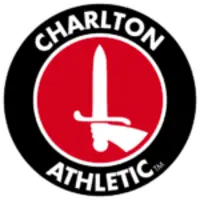
Founded in 1905, Charlton Athletic Football Club has used a number of crests and badges throughout its history, but no symbol has become more closely associated with the club than the hand holding a sword. The emblem, which forms the basis of the club’s modern identity, reflects Charlton’s historic nickname, “The Valiants,” and has remained at the heart of the club’s branding for more than half a century.
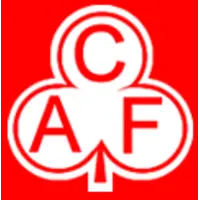
The first known Charlton badge appeared during the 1930s and consisted of the letters “CAF” arranged in the shape of a club from a pack of playing cards. The design was simple and distinctive, reflecting a period when football clubs were only beginning to establish formal visual identities.
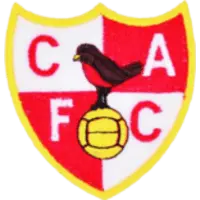
During the 1940s, Charlton adopted one of its most memorable early crests, featuring a robin perched on a football within a shield. Some versions also incorporated the initials “CAFC.” This badge became associated with one of the most successful periods in the club’s history, including the 1946 FA Cup triumph, and remains a popular symbol among supporters.
In the late 1940s and early 1950s, Charlton also used the crest of the former Metropolitan Borough of Greenwich as a symbol of the club’s local identity. Although the civic emblem appeared in club materials and publications, it was not worn on the team's playing shirts.
A significant change came in 1964 when Charlton introduced the hand holding a sword as part of a new crest. The design reflected the club’s nickname at the time, “The Valiants,” and provided a unique symbol that distinguished Charlton from other English clubs. The sword represented courage, strength and determination, qualities closely associated with the club and its supporters.
By 1980, the design had evolved into the version that is recognised today. Featuring a stylised hand gripping an upright sword within a circular badge, the crest offered a clean and distinctive identity that was instantly recognisable. Apart from a brief period during the 1970s when alternative variations were used, the core design has remained unchanged since 1968, making it one of the longest-serving club crests in English football.
Unlike many clubs that have undergone frequent rebranding exercises, Charlton has largely resisted major changes to its badge. The longevity of the sword emblem has helped create a strong sense of continuity and tradition, allowing generations of supporters to identify with the same symbol.
Charlton Athletic FC Club History
Charlton Athletic Football Club was founded in 1905 when several youth clubs in South East London, including East Street Mission and Blundell Mission, combined to form a new football club. Based in Charlton, South East London, the club quickly established itself within the local football scene before turning professional and being elected to the Football League in 1921.
A defining moment in the club’s history came in 1919 when Charlton moved into The Valley, a former chalk pit that was transformed into a football ground. The Valley has remained the club’s home ever since, apart from a single season at Watford during 1923–24 and a seven-year period between 1985 and 1992 when Charlton were forced to ground-share with Crystal Palace and later West Ham United due to financial difficulties and safety concerns.
Charlton enjoyed its most successful period during the 1930s, when the club established itself among the leading teams in English football. During this era, the Addicks achieved the highest league finishes in their history, including a runners-up finish in the First Division in 1936–37.
The club’s greatest achievement came in 1947 when Charlton defeated Burnley to win the FA Cup, securing the only major trophy in the club’s history. The victory followed consecutive FA Cup Final appearances in 1946 and 1947 and remains one of the proudest moments in Charlton’s history.
One of the most remarkable chapters in the club’s story occurred during the late 1980s when Charlton were forced to leave The Valley. In response, supporters launched a determined campaign to bring the club back home. Fans even formed the Valley Party and stood candidates in local elections to apply pressure on local authorities. Their efforts proved successful, and Charlton returned to The Valley in December 1992 in one of the most celebrated moments in the club’s history.
Under manager Alan Curbishley, Charlton enjoyed a successful modern era, winning promotion to the Premier League in 1998 and again in 2000. The club then spent seven consecutive seasons in the Premier League, the longest top-flight spell in its history.
Charlton share long-standing rivalries with fellow South East London clubs Crystal Palace and Millwall. Matches against both sides are among the most fiercely contested fixtures in London football and form an important part of the club’s identity.
Charlton Athletic
Your Dynamic Snippet will be displayed here... This message is displayed because you did not provide enough options to retrieve its content.