Skip to Content

Historical Crests ADO Den Haag

Name: ADO Den Haag
Nickname(s): The Residence Club
Founded: 1905
Stadium: Cars Jeans Stadion
Capacity: 15,000

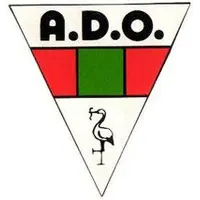
1906-1971
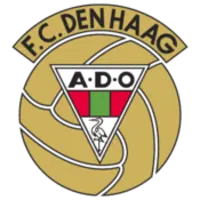
1971-1976
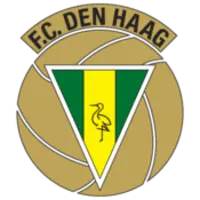
1976-1993
1994-2004
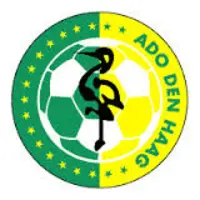
2004-Present

ADO Den Haag Crest History
The earliest ADO badges used during the first half of the twentieth century were relatively simple and often featured monograms, shields and the club's original colours of green, red and white. As the club grew into one of the leading sides in Dutch football, the stork gradually became the dominant visual symbol and established itself as the centrepiece of ADO's identity.
A major transformation occurred in 1971, when the professional football section adopted the name FC Den Haag. The traditional ADO branding was replaced with a more modern visual identity reflecting the trends of the era. New crests moved away from the historic designs and focused more heavily on the city name, marking a significant break from the club's past.
Throughout the 1970s and 1980s, FC Den Haag used a series of modernised badges that reflected the club's evolving identity. While the designs changed considerably, references to The Hague and its civic symbols remained present, preserving the connection between the club and its city.
The process of reconnecting with the club's roots began in 1992, when the historic ADO name returned as part of HFC ADO Den Haag. New badge designs gradually reintroduced traditional elements and paved the way for a full restoration of the club's historic identity.
A redesigned crest was introduced in 1994 following the complete return of the ADO Den Haag name. The badge prominently featured the stork once again, restoring the symbol that supporters most closely associated with the club's heritage. The redesign was widely welcomed as a return to tradition after more than two decades of FC Den Haag branding.
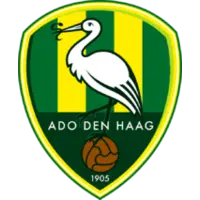
The modern crest arrived in 2004. The badge adopted a clean shield design featuring a large white stork set against a green-and-yellow background. The club name was incorporated into the shield, creating a simple but highly recognisable emblem that balanced tradition with modern football branding.

ADO Den Haag Club History
Founded on 1 February 1905, ADO Den Haag is one of the oldest and most historic football clubs in the Netherlands. The club's name derives from the Dutch phrase "Alles Door Oefening", meaning "Everything Through Practice", reflecting the values upon which the club was established. Based in The Hague, the political capital and royal residence of the Netherlands, ADO has long been one of the country's most important traditional clubs.
During the early decades of Dutch football, ADO emerged as a major force in the amateur era. The club enjoyed significant success before the introduction of professional football, winning the Dutch national championship in 1942 and 1943. These titles remain among the greatest achievements in the club's history and established ADO as one of the leading teams in the Netherlands during the Second World War period.
A landmark moment arrived in 1968, when legendary Austrian coach Ernst Happel guided ADO to victory in the KNVB Cup. The club defeated Ajax in the final to secure its first major trophy of the professional era. The triumph remains one of the proudest moments in the club's history and demonstrated ADO's ability to challenge the nation's strongest teams.
A significant change occurred in 1971, when the professional football section adopted the name FC Den Haag, while ADO continued as the amateur branch of the organisation. Under the FC Den Haag name, the club enjoyed several successful seasons and became a familiar presence in Dutch professional football throughout the 1970s and 1980s.
The historic identity was gradually restored during the early 1990s, culminating in the return of the name ADO Den Haag. Supporters strongly embraced the revival of the traditional name, seeing it as a reconnection with the club's history and heritage.
One of the most distinctive aspects of ADO's identity is the famous "Haags Kwartiertje" ("The Hague Quarter"). This term refers to the final fifteen minutes of home matches, when the supporters create an intense atmosphere in an effort to inspire the team to stage a comeback or score a decisive late goal. The phrase has become an important part of the club's folklore and remains closely associated with the spirit of ADO Den Haag.
ADO's fiercest rivalries are with Ajax and Feyenoord, fixtures that carry significant sporting and cultural importance. 
The club is also known for its unique international supporter friendships. ADO fans maintain particularly strong links with Swansea City, with supporters of both clubs regularly visiting one another and displaying each other's flags at matches. Similar friendships have developed with supporters of Legia Warsaw, Club Brugge and Juventus, creating one of the most unusual supporter networks in European football.
ADO Den Haag currently plays its home matches at the Bingoal Stadion, having previously spent many decades at the historic Zuiderpark Stadion. The move marked a new chapter in the club's history while maintaining its roots within The Hague.


Our latest content

Your Dynamic Snippet will be displayed here... This message is displayed because you did not provide enough options to retrieve its content.