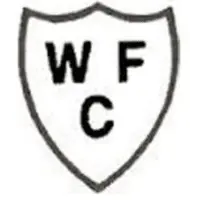
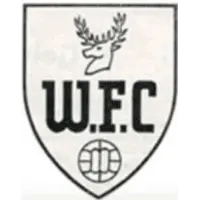
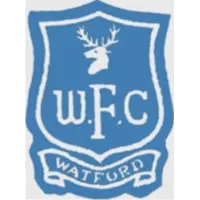
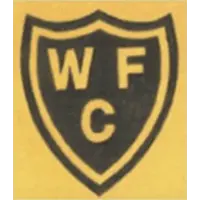
Historical Crests Watford FC
Name: Watford FC
Nickname(s): The Hornets
Founded: 1881
Stadium: Vicarage Road (Watford)
Capacity: 22,000
Watford FC Crest History
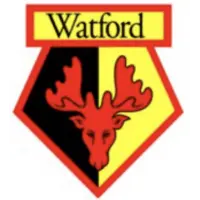
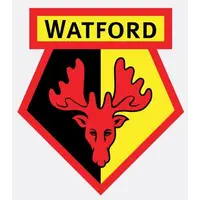
Although Watford FC is widely associated with the nickname “The Hornets,” its modern crest is actually centred on a hart, a male red deer that represents the club’s geographic roots.
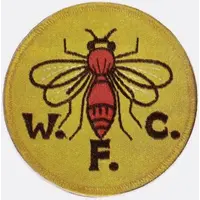
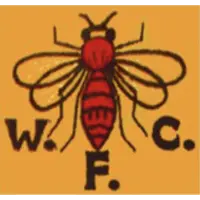
In 1968 when Watford introduced its first official club crest. The badge depicted a hornet, reflecting the club’s popular nickname, “The Hornets.” The insect quickly became an important part of the club’s identity and helped establish a recognisable visual symbol for supporters.
In 1974, the crest was redesigned to feature Harry the Hornet, the club’s mascot. This version strengthened the association between the club and its nickname, while giving Watford a more distinctive and characterful identity. The hornet remained central to the club’s image and was widely embraced by supporters.
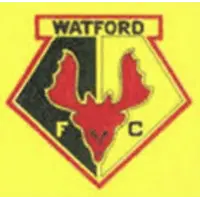
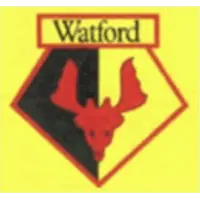
A major change arrived in 1978 when Watford replaced the hornet crest with a completely new design. The new badge featured the head of a hart displayed on a yellow-and-black background. Although many supporters continued to associate the club with hornets, the hart was chosen because it represents Hertfordshire, the county in which Watford is located. The use of the deer created a direct link between the club and its local heritage.
The 1978 design quickly became one of the most recognisable badges in English football. Its bold yellow-and-black colour scheme reflected the club’s traditional colours, while the striking hart's head created a strong and distinctive visual identity. The badge became closely associated with Watford’s rise during the late 1970s and 1980s under manager Graham Taylor and chairman Elton John.
Over the years, the crest has undergone only minor refinements, with adjustments to the artwork and typography to modernise its appearance. However, the essential elements introduced in 1978, the hart's head and the yellow-and-black shield—have remained unchanged, demonstrating the badge’s enduring popularity.
Despite the prominence of the hart on the crest, the hornet remains an important part of Watford’s culture and identity. Harry the Hornet continues to serve as the club mascot, ensuring that the famous nickname remains visible alongside the official badge.
Watford FC Club History
Watford Football Club was founded in 1881 and has spent much of its history representing the town of Watford and the wider Hertfordshire area. The club has played at Vicarage Road since 1922, with the stadium becoming the focal point of Watford’s football identity for more than a century.
In its early years, Watford competed in regional competitions before joining the Southern League and later becoming a member of the Football League in 1920. The club gradually established itself within the professional game, although for many decades success at the highest level remained elusive.
Watford’s earliest nickname was “The Brewers,” a reference to the Benskins Brewery, which owned the freehold of Vicarage Road for many years. In 1959, the club adopted the nickname “The Hornets,” a name that has remained associated with Watford ever since and became one of the most recognisable identities in English football.
The most transformative period in the club’s history began in 1976 when world-famous singer Elton John became chairman. A lifelong Watford supporter, John invested heavily in the club and appointed Graham Taylor as manager. Together, they oversaw one of the most remarkable rises in English football history.
At the time of Elton John’s arrival, Watford were competing in the Fourth Division. Under Taylor’s leadership, the club achieved a series of promotions that took it from the fourth tier to the First Division in just five years. The achievement transformed Watford from a lower-league club into one of the leading teams in England.
The peak of this success came during the 1982–83 season when Watford finished second in the First Division, the highest league finish in the club’s history. The achievement secured qualification for European competition and remains one of the greatest accomplishments ever achieved by a newly promoted club.
Further success followed in 1984 when Watford reached the FA Cup Final for the first time. Although the Hornets were defeated by Everton at Wembley Stadium, the run to the final remains one of the most memorable moments in the club’s history.
Throughout the following decades, Watford experienced a mixture of promotions and relegations but continued to benefit from the foundations established during the Elton John and Graham Taylor era. Taylor returned to the club on several occasions, and his influence remains deeply respected by supporters.
The club has enjoyed several spells in the Premier League during the modern era, often earning promotion through resilience, strong recruitment and a reputation for developing talented players. Despite fluctuations between divisions, Watford has remained a prominent and competitive club within English football.
Watford’s fiercest rivalry is with nearby Luton Town. Matches between the two clubs are among the most passionate fixtures in English football and reflect the close geographical proximity of the towns. The rivalry remains the defining fixture for supporters of both clubs.
Watford FC
Your Dynamic Snippet will be displayed here... This message is displayed because you did not provide enough options to retrieve its content.