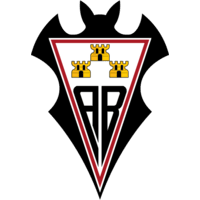
One of the most distinctive features of Albacete Balompié’s crest is the bat, which occupies a prominent position above the shield. The bat is an important element of the city of Albacete’s coat of arms and has been incorporated into the club’s badge as a symbol of local identity and civic pride.
The main shield of the crest also contains significant historical references. Most notably, it features representations of the three castles of the Marquessate of Villena: Alarcón, Chinchilla de Monte-Aragón and Villena. These castles hold considerable historical importance within the region and symbolize the rich cultural heritage of the province of Albacete.
Over the years, the badge has undergone various refinements and modernisations to improve its presentation and adaptability. While minor adjustments have been made to line work, proportions and graphic details, the core elements, the bat, the castles and the heraldic shield, have remained consistent.
Albacete Balompié Club History
Albacete Balompié was founded in 1940 created through the merger of local football interests in the city. The origins of football in Albacete predate the formation of the club itself. The sport is believed to have been introduced to the city through the railway industry, with British workers and engineers playing a significant role in spreading the game throughout the region. One of the key figures associated with football's introduction to Albacete was John Hulse, whose involvement reflects the wider influence British railway workers had on the development of Spanish football during the late nineteenth and early twentieth centuries.
The club's greatest period came during the early 1990s under manager Benito Floro. After winning promotion to La Liga in 1991, Albacete earned the nickname "Queso Mecánico" ("Mechanical Cheese"), a humorous reference to both the famous Castilla-La Mancha cheese industry and the Dutch national team's "Clockwork Orange." Against expectations, Albacete finished seventh in its first season in the top flight and became one of the surprise teams of Spanish football.
Albacete spent several seasons in La Liga, competing against Spain's biggest clubs and establishing itself as a respected side. Although the club has alternated between divisions in the years since, its achievements during the 1990s remain among the proudest moments in its history.
The club plays its home matches at the Estadio Carlos Belmonte, one of Castilla-La Mancha's most iconic football venues. Opened in 1960, the stadium has hosted many of the club's most memorable matches and remains a focal point for football in the region.
One of Albacete Balompié's most notable rivalries is with Real Murcia. Matches between the two clubs are traditionally competitive and passionate affairs, attracting strong support from both sets of fans and contributing to the football culture of southeastern Spain.