Historical Crests RKC Waalwijk
Name: RKC Waalwijk
Nickname(s): Yellow-blue ones
Founded: 1940
Stadium: Mandemakers Stadion (Waalwijk)
Capacity: 7,508
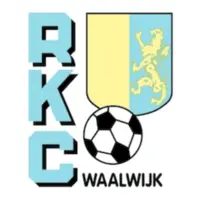
1984-2000
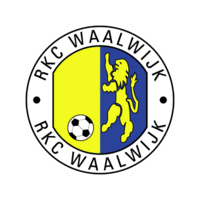
2000-2015
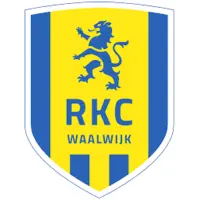
2015-Present
RKC Waalwijk Crest History
When RKC entered professional football in 1984, a more modern crest was introduced to accompany the club's new era. This badge prominently featured the club initials RKC and the name Waalwijk, creating a stronger identity as the club prepared to compete on the national stage. The yellow-and-blue colours became even more prominent, helping distinguish RKC from other Dutch clubs.
A redesigned crest appeared around 2000, reflecting the club's growing ambitions and its years as an established Eredivisie side. The badge adopted a cleaner and more professional appearance while retaining the familiar colours and club initials. This version became strongly associated with one of the most successful periods in RKC's history, including long spells in the Eredivisie and participation in European competition.
A major redesign arrived in 2015 as part of the club's 75th anniversary celebrations. The new crest modernised the club's appearance while respecting its traditions. The design featured a refined shield shape, updated typography and a stronger emphasis on the yellow-and-blue identity that supporters had embraced for decades. The result was a cleaner, more contemporary badge suitable for modern football branding while remaining unmistakably RKC.
RKC Waalwijk Club History
Founded on 26 August 1940, RKC Waalwijk was created through the merger of two clubs from Waalwijk: HEC and WVB. The new club adopted the name Rooms Katholieke Combinatie (RKC), reflecting its Catholic roots and the union of local football traditions. Since its formation, RKC has grown into one of the most respected provincial clubs in Dutch football.
A turning point arrived in 1984, when RKC entered professional football. The transition marked the beginning of the most successful era in the club's history. Under the guidance of strong management and coaching, RKC quickly adapted to the professional game and gained a reputation as one of the best-run clubs in the Netherlands.
The club achieved promotion to the Eredivisie in 1988, a remarkable accomplishment only four years after entering professional football. RKC's rise was widely admired, particularly because it came from a relatively small town with limited resources compared to many of its rivals.
The early 2000s represented one of the strongest periods in the club's history. Under coach Martin Jol, RKC achieved several impressive Eredivisie finishes and came close to qualifying for European competition. The club consistently performed above expectations despite operating with one of the league's smallest budgets.
RKC played its home matches for many years at the Mandemakers Stadion, which became one of the most familiar venues in Dutch football. The stadium symbolised the club's rise from local amateur football to a respected Eredivisie institution.
RKC's main rivalries are with fellow Brabant clubs such as Willem II, NAC Breda, FC Den Bosch and TOP Oss. These regional encounters often carry added significance due to local pride and the close proximity of the clubs involved.
RKC Waalwijk
Your Dynamic Snippet will be displayed here... This message is displayed because you did not provide enough options to retrieve its content.